Boxing Again With Old Injuries: What I Did and What Happened
[Sequence Log 011]
Boxing Again With Old Injuries:
What I Did and What Happened
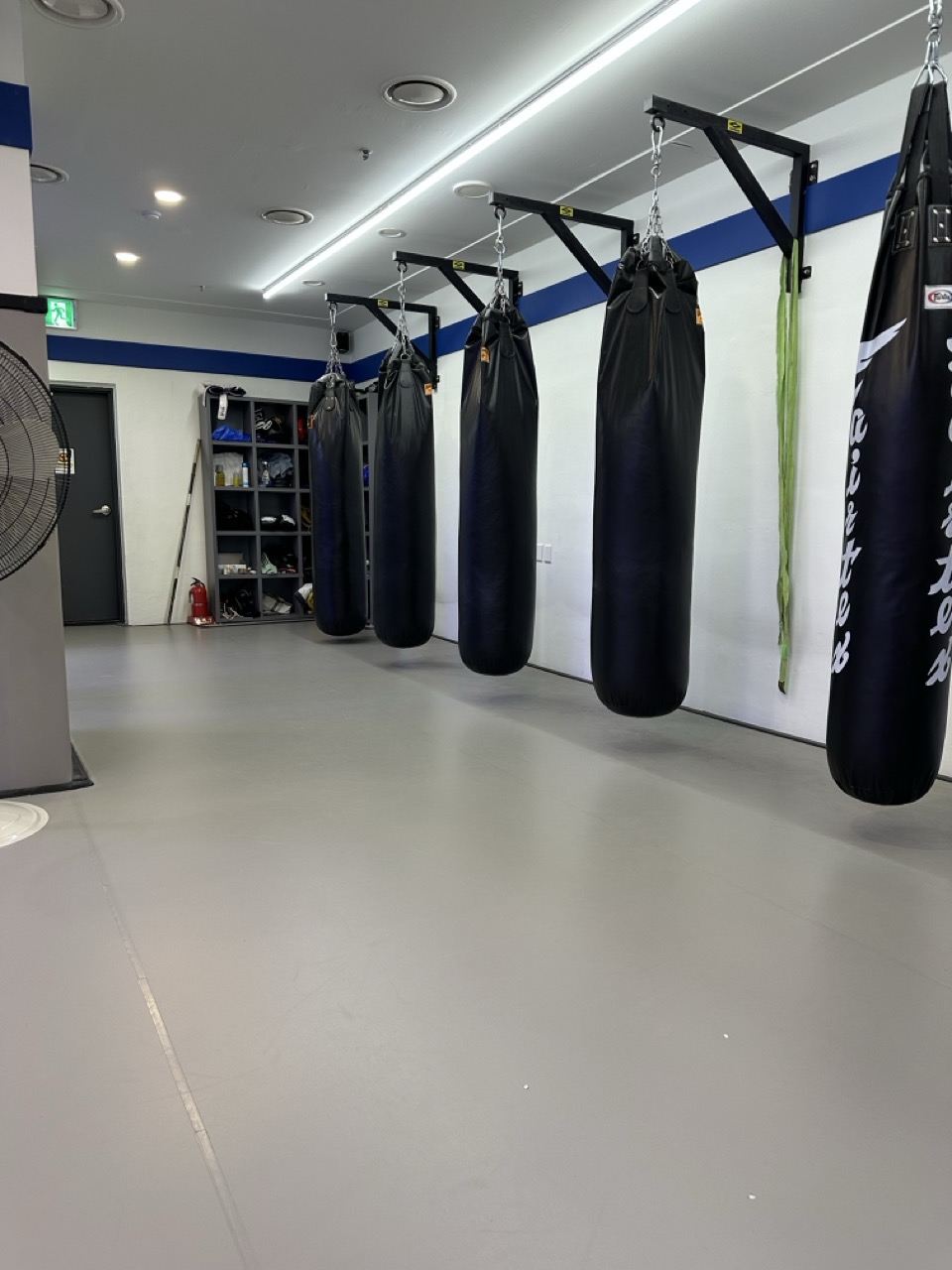
It had been a long time since I last did boxing.
I had a hand ligament injury; it’s been fifteen years since the first one.
In daily life that spot doesn’t bother me, but whenever I go back to boxing, it somehow gets hurt again.
A year ago I tried returning—one session, then I lost 29 days.
(Previous post: rehab visit after deadlift PR)
1. Why It Keeps Coming Back When I Return
― Structural limits and the trap of “keeping up”
It might be the bandage, or my form.
But in the end it’s a mix of how my hand is built and how much load it can take.
I asked a coach who had been on the national team; they said they’d been injured too but had pushed through and competed, and now have metal pins in that area.
What often happens when I come back: experienced members show up, the owner or coach gets excited and pushes everyone hard.
When both sides lack data on each other, it’s easy to overpace. Then the injury follows.
Hands take a long time to heal and are easy to re-injure.
After a long break, “keeping up” with the group
can mean overreaching before the body is ready.
That’s when old injuries reappear.
2. My State Before the Session
― Shoulder from rehab, hand from the past
The day before, I had been to rehab for my shoulder.
So going in I had:
- Right shoulder: ligament tear—no straight punches (jab, cross).
- Hand: old ligament issue; fine in daily life, but I didn’t want to overload it on the bag or in partner work.
I couldn’t do everything the class was doing.
I had to say that upfront.
3. Saying It Before We Started
― Telling the coach about the shoulder
Before the session I went to the coach and said:
- I have a shoulder issue—I hurt it lifting and I’m going to rehab.
- I can’t do straight punches (jab, cross) today.
I wanted them to know so that if the program was built around combos or partner drills, they wouldn’t assume I could do everything.
It’s not always possible to get individual modifications in a group class, but at least the coach was aware.
4. Warm-up and What We Did
― Run, burpee ladder, then technique and bags
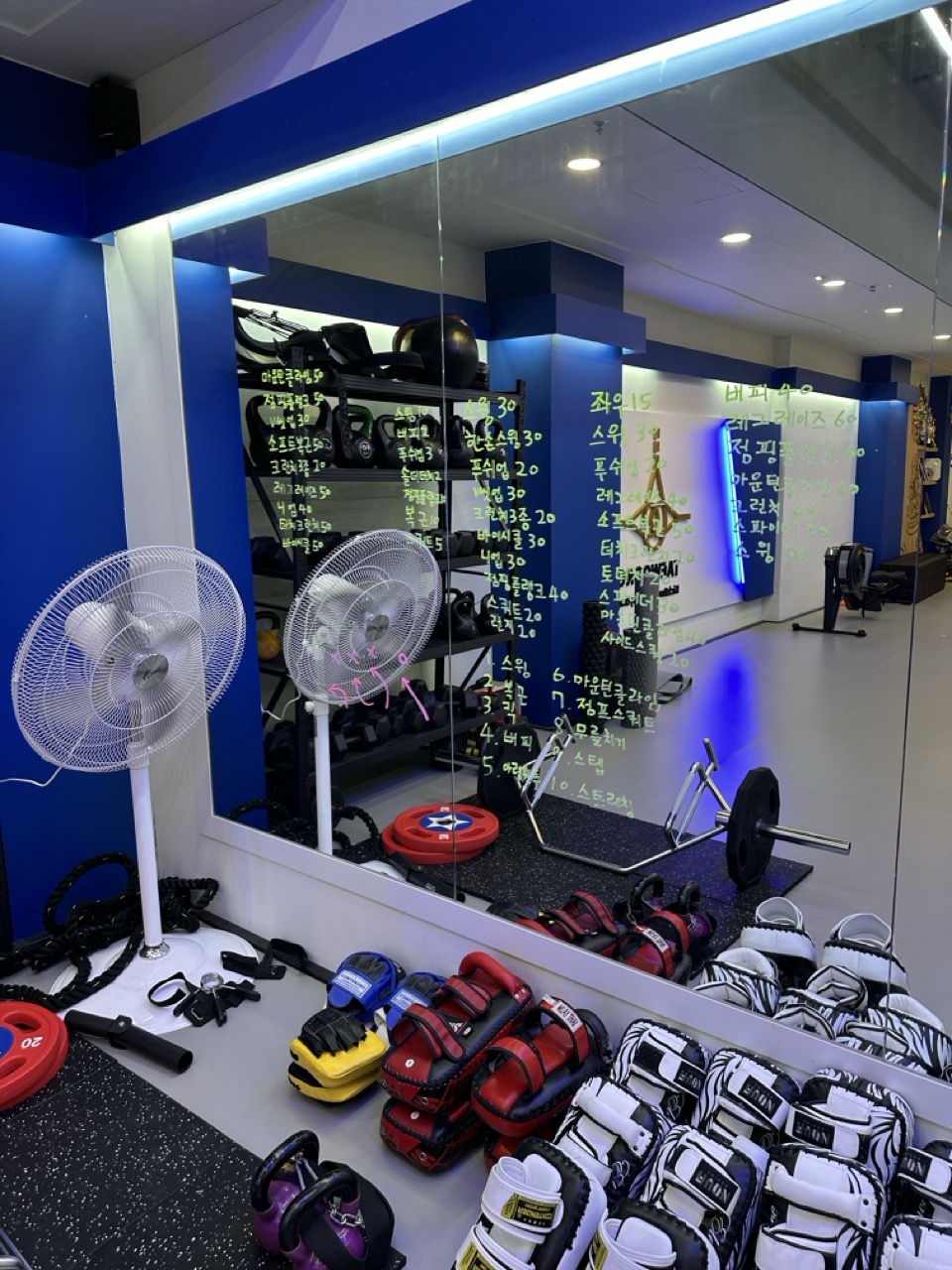
Warm-up was:
- 5 minutes indoor run (counterclockwise).
- 20 seconds in-place jump.
- Burpee ladder +1 up to 10.
Then we worked on: jab, cross, hook, ducking, weaving.
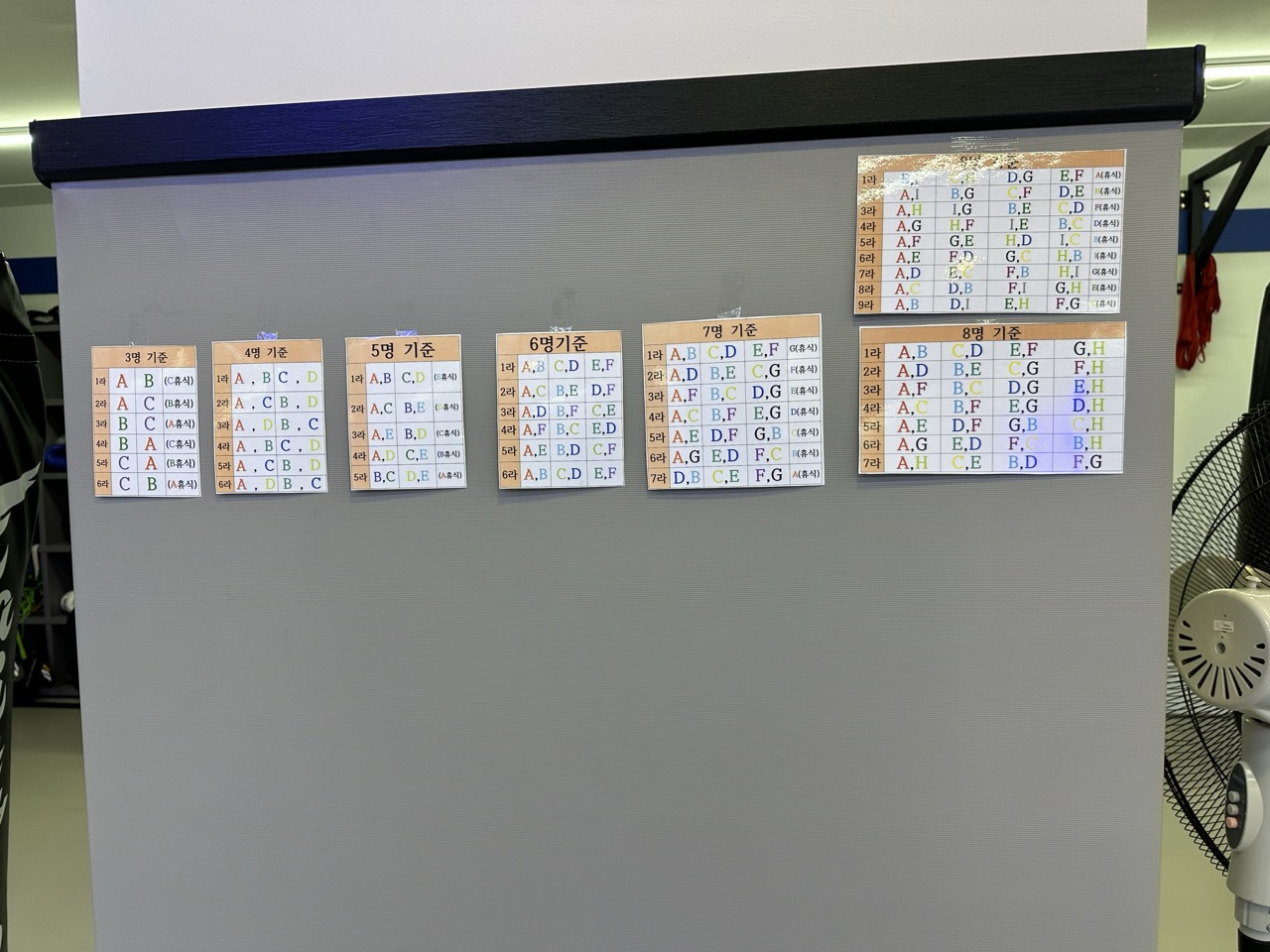
We applied that on the sandbag, then did partner attack/defense in pairs.
Even with the shoulder limitation, there was a lot of rotation and upper-body work.
I tried to control intensity and skip the straight punches, but in a group setting it’s hard to ask for the whole class to be tailored to you.
5. After the Session: Pain Where I’d Been Treated
― Rehab area was sore again
After training, the area I’d had treated at rehab the day before was a bit sore.
I was careful, but when I was moving it felt okay so I went overboard.
The coach was aware of the injury and asked how I was, but took it as fine and kept pushing.
There was a lot of shoulder rotation, so the impact on the shoulder was probably bigger than I’d wanted.
Knowing you’re injured isn’t enough.
In a group, protecting the injured part
often depends on you—and on having clear alternatives.
6. Reflecting Injury in How You Train
― Communicate, scale, and don’t chase the group
I went in with two constraints: shoulder (rehab) and hand (old injury).
I told the coach about the shoulder and avoided straight punches.
Still, the nature of the class—rotation, partner work, intensity—made it hard to fully protect the shoulder.
For next time:
- Say it before: One short conversation at the start can set the frame. It doesn’t guarantee accommodation, but it’s better than staying silent.
- Scale when you must: If the main drill doesn’t fit your limits, reduce range, power, or swap to a drill that does—even if the group is doing something else.
- Don’t overpace on comeback: Coming back after a long break, the biggest risk is matching the group’s pace. Old injuries often return not because the movement is “wrong,” but because the dose is too high too soon.
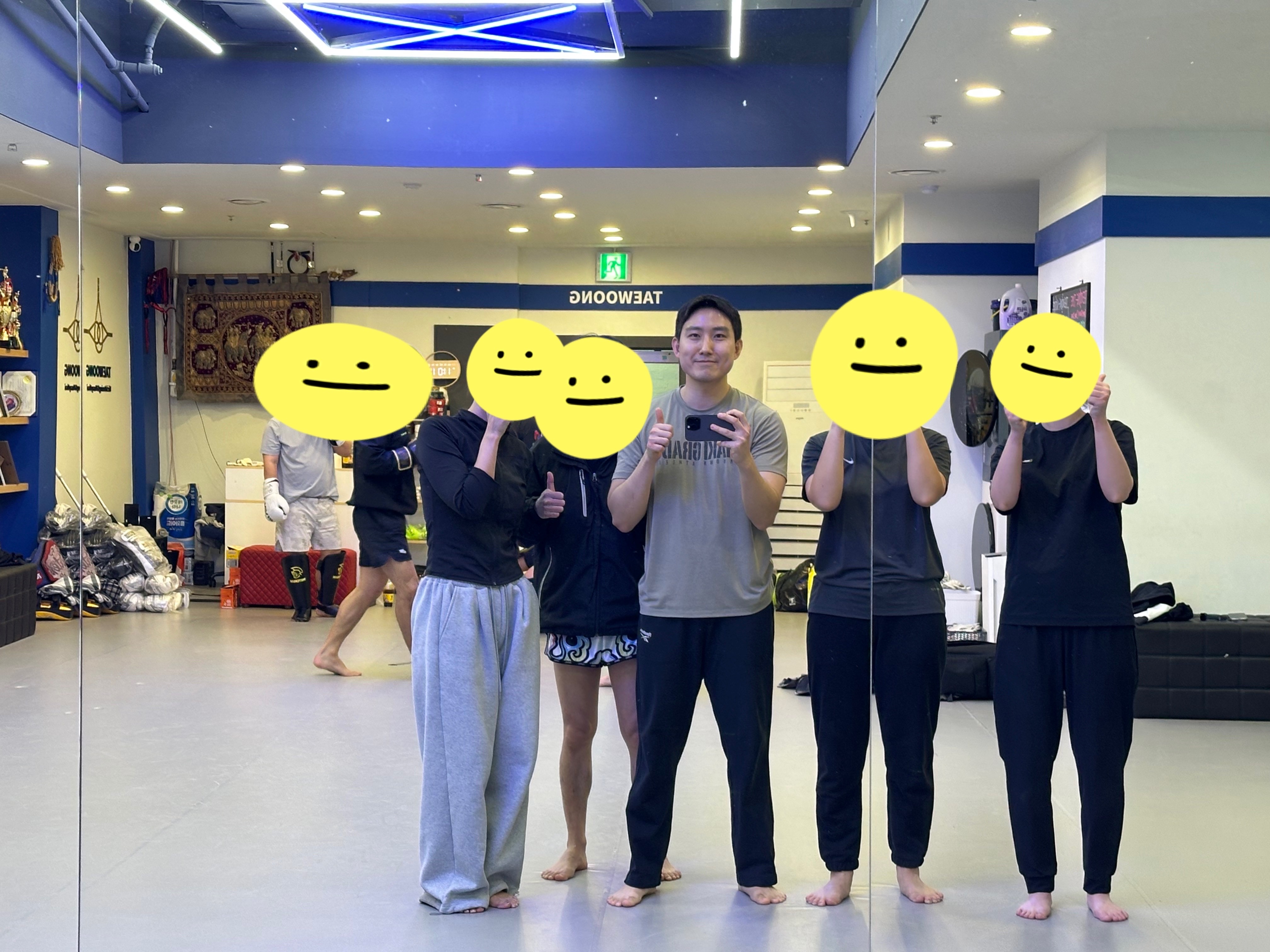
So: communicate your limits, choose alternatives when the main option doesn’t fit, and build volume and intensity slowly instead of keeping up with the room. When you’re injured and can’t do alternative movements, it’s better to rest from training or do light jogging.
That’s what I’m taking from this session—training with injury in the picture, not in spite of it.
[Next Sequence]
This log continued from the rehab visit (deadlift PR, shoulder diagnosis) to a concrete situation: returning to boxing with a hand history and a current shoulder issue.
Next, I’ll keep exploring:
- How to communicate limits and get (or create) scaled options in group settings
- How to balance “participating” with “protecting” when the program isn’t built for your injury
- What kind of system could help decide when to push and when to substitute or rest
The next log will keep building toward
integrating injury awareness, recovery, and training choices in real sessions.